
Save on a New HVAC System
Proudly Serving


Install Expansion Tank Systems
Most Carrollton homeowners wait until damage happens.
Without proper expansion tank systems, thermal expansion creates dangerous pressure buildup in your plumbing system. Excess pressure damages pipes. Excess pressure shortens your water heater's lifespan. Excess pressure violates local building codes.
Carrollton homes with pressure regulating valves face particular risk. Homes with check valves face particular risk.
Expansion tanks solve these problems immediately.
See what our past customers are saying about our water heater skills
You need to know what expansion tanks do. You need to know when you need one. You need to know where to install expansion tank components correctly. You need to know how to check the expansion tank function after setup. You need to know the typical cost to install expansion tank water heater protection.
Warning signs exist. Installation requirements are specific. Professional installation protects your home's safety.
Expansion Tanks Protect Carrollton Homes
Thermal Expansion Creates Pressure Problems
An expansion tank is a sealed metal tank. The tank is installed on your home's cold water line near the water heater. A rubber diaphragm separates two chambers inside. One chamber holds compressed air. The other receives water.
This design solves a physics problem.
Water expands approximately 4% when heated from room temperature to its boiling point. A 50-gallon water heater creates an extra two gallons of volume. That volume needs somewhere to go.
Older plumbing systems allowed expanded water to flow back into the municipal supply. Modern homes operate differently.
Your home has a closed-loop plumbing system. Check valves block water from returning to the city supply. Pressure reducing valves block return flow. Backflow preventers block return flow. These devices protect water quality. These devices prevent contamination.
They also trap thermal expansion inside your pipes.
Pressure builds against joints without a release point. Pressure builds against valves without a release point. Pressure builds against the water heater tank itself. The expansion tank absorbs this excess volume. The air chamber compresses. System pressure stays stable.
Carrollton Code Requirements Are Specific
Carrollton requires permits for all water heater installations. Carrollton requires permits for all water heater replacements. Work must comply with the International Plumbing Code. Work must comply with the International Residential Code.
State law allows homeowners to perform this work on their homestead. Any other person must be a licensed plumber. That plumber must register as a contractor with the City of Carrollton.
Inspection is required upon completion. Expansion tanks are mandatory when installing water heaters. Expansion tanks are mandatory when replacing water heaters.
These regulations exist for safety. Improperly installed systems fail catastrophically.
Professional Installation Protects Your Investment
Installation means more than attaching hardware. Professionals determine correct sizing. They base sizing on your water heater capacity. They base sizing on supply pressure. They match the tank's air pressure to your system's requirements.
Incorrect pressure settings make the tank ineffective.
Improper installation leads to premature failure. Improper installation can void your water heater warranty. Professional installation protects your investment.
Licensed plumbers understand Carrollton's code requirements. They ensure your system passes inspection on the first attempt.


Warning Signs You Need Thermal Expansion Tank Protection
Your plumbing system shows problems before they become catastrophic.
Recognize these signs. Install thermal expansion tank protection before expensive repairs.
Frequent Pipe Leaks and Joint Failures
Thermal expansion creates stress points throughout your plumbing.
Water heats and expands without an outlet. Pressure pushes against pipe joints and fittings. Residential plumbing operates safely between 40 and 60 PSI. Pressure above 80 PSI increases damage risk.
Repeated pressure surges stress your pipes. Pipe walls stretch with each cycle. This stress creates pinhole leaks in copper pipes. This stress creates cracked PVC joints. This stress creates worn-out washers and seals.
Leaking flanges indicate excessive forces from thermal expansion.
Small leaks reduce water pressure. Small leaks create water damage. Small leaks create mold growth.
Water Pressure Problems Throughout Your Home
Water pressure should not fluctuate during normal use.
Faucets sputter. Showers surge between hot and cold. Banging noises in walls signal pressure imbalances. Municipal pressure changes with elevation and demand. Dramatic swings inside your home point to thermal expansion problems.
Water hammer creates pressure shockwaves. Those loud banging sounds when valves close quickly. Repeated shockwaves loosen joints. Repeated shockwaves weaken connections.
Water Heater Making Unusual Noises
Popping sounds indicate sediment buildup. Knocking sounds indicate sediment buildup.
Heating elements boil trapped water beneath mineral deposits. Steam bubbles escape through sediment layers, creating noise. Sediment requires tank flushing. These sounds signal thermal expansion working harder than it should.
The noise means your heater runs inefficiently. Energy bills rise. Sediment slows heat transfer. Overheating damages the tank's protective lining. Leaks follow.
Dripping Temperature and Pressure Relief Valve
Your T&P valve exists as a safety mechanism.
Frequent discharge signals excessive pressure. Constant dripping indicates tank pressure exceeding safe limits. Constant dripping indicates thermal expansion with nowhere to go.
T&P valve dripping when water heats means you need expansion tank protection immediately.
Call Sirius today.
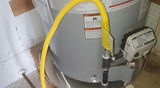
Professional Installation Protects Your Investment
Professional installation transforms code compliance into genuine home protection.
The difference between DIY attempts and expert service appears in performance, longevity, and repair costs.
Water Damage Prevention
Water damage from plumbing failures costs homeowners thousands in repairs. Burst pipes damage flooring, walls, and insulation. Slow leaks near electrical components create safety hazards. Professional installation positions the expansion tank correctly and secures all fittings to prevent these failures.
Properly installed systems stabilize pressure throughout your plumbing. This prevents stress-related failures that start small but escalate quickly. You protect everything downstream from your water heater.
Equipment Longevity
Expansion tanks last between 5 and 12 years under normal conditions. That lifespan depends on proper installation with adequate support, correct orientation, and maintained pressure matching your home's water pressure. Thermal expansion tanks reduce wear on your heater and prevent tank blowout, extending its life.
Reduced system pressure means less stress on pipes, fixtures, and appliances. Your entire plumbing system operates more efficiently when pressure remains steady.
Code Compliance
Expert plumbers navigate Carrollton's regulations for hassle-free installation. Professional installation guarantees compliance with local codes and ensures all components function correctly. This matters for inspection approval and long-term safety. DIY installation risks inspection failures or insurance issues.
Proper Sizing and Placement
Correct sizing depends on water heater capacity, household water pressure, plumbing layout, and local code requirements. Mismatched tanks offer little protection and fail early. Professional plumbers ensure optimal size and placement, calibrating pressure to match your specific system needs.
Call us today for expert assessment.
Expansion Tank Installation Requirements for Carrollton Homes
Location Standards
Connect the tank to your cold water supply line. Position at least 18 inches from the water heater inlet fitting.
Install upright. Most manufacturers require upright installation.
Support the tank independently. Use wall brackets or straps, not pipe connections.
Never install on the hot water side.
Position between the shutoff valve and water heater inlet.
Sizing Requirements
Water heaters 50 gallons or smaller need a 2-gallon expansion tank.
Larger systems need a 4.4-gallon tank. Homes with two water heaters need a 4.4-gallon tank.
Wrong sizing reduces protection. Wrong sizing shortens tank life.
Installation Costs
Expansion tanks cost USD 25 to USD 60.
Professional installation adds USD 100 to USD 300 in labor.
Total installation costs USD 150 to USD 850. Most homeowners pay around $625.
Testing After Installation
Check pressure with a tire pressure gauge on the Schrader valve.
Pressure must match your home water pressure. This typically means 50 to 60 PSI.
Water coming out instead of air means bladder failure.
Check pressure twice yearly.
Professional Installation Protects Your Investment
Professional installation prevents leaks. Professional installation prevents pressure issues. Professional installation prevents water damage.
DIY attempts create code violations. DIY attempts void warranties. DIY attempts create carbon monoxide hazards with gas systems.
Fix it right the first time.
Expansion Tanks Protect Carrollton Homes
Expansion tanks protect your Carrollton home from pressure damage.
Pressure damage costs thousands in repairs. Professional installation prevents burst pipes. Professional installation extends your water heater's life. Professional installation keeps you compliant with local codes.
Most homeowners spend around $625 for complete protection.
Water damage happens fast. Emergency repairs cost more.
Call and talk to a family member at Sirius today for expert sizing, installation, and peace of mind.
